Every parent remembers the moment their child asks for their “first big toy.” Sometimes it’s a bright little car, sometimes a tiny bike, and sometimes a sleek, battery-powered vehicle that looks too impressive for its size.
Ride-on vehicles have become more than toys, they’re confidence boosters, movement starters, and tiny adventures waiting to happen.
But how do you know if your child is ready for one?
This guide will walk you through the simple signs, helpful tips, and small details that make it easy to decide. No jargon, no pressure, just clear, parent-friendly insights.
Understanding the Perfect Age Range
There’s no universal age that applies to every child. Instead, readiness depends on how your child interacts with their surroundings.
Early Explorers (1–3 years)
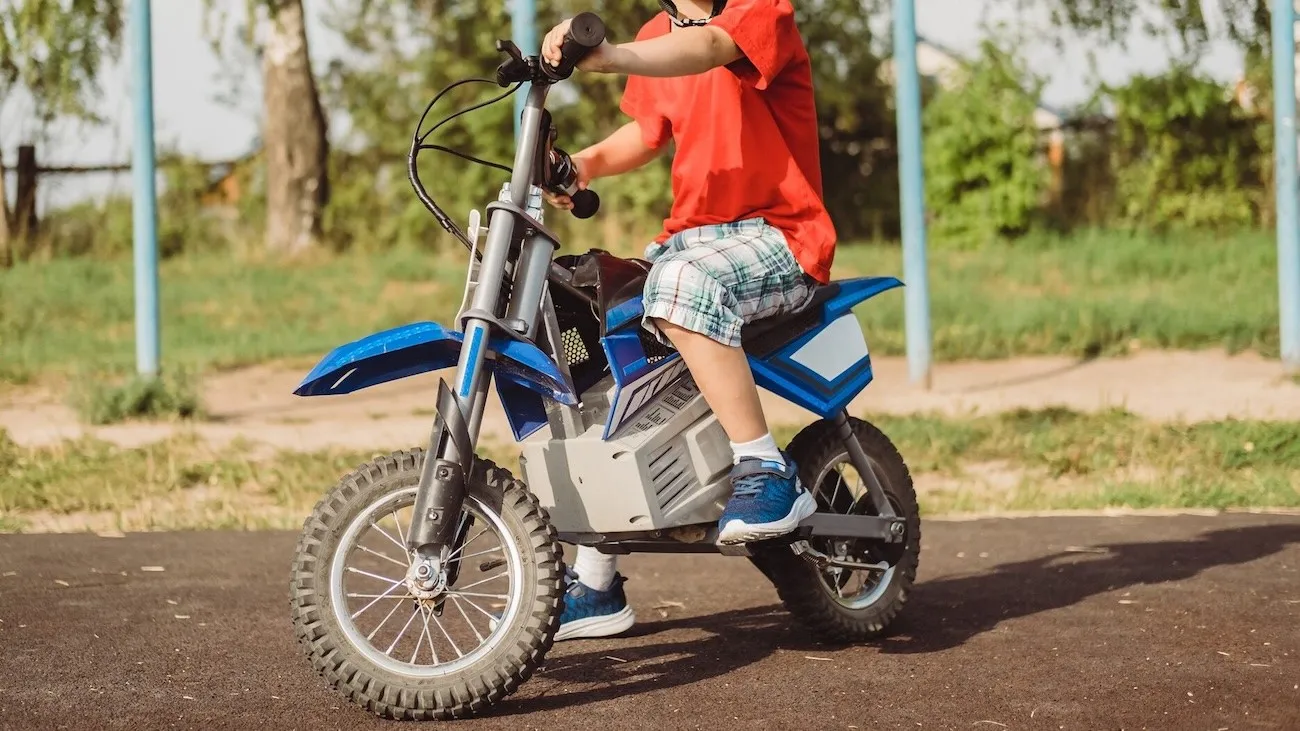
Kids in this group love pushing, scooting, and imitating grown-ups. For them, stable, low-speed vehicles with parental remote control support work well, especially toys like ride on motorbike toy models made specifically for toddlers. These vehicles help with balancing, curiosity, and building trust in movement.
Growing Adventurers (3–6 years)
This age group tends to show more independence. They enjoy maneuvering, steering, and pressing buttons themselves. Slow to moderate-speed vehicles, simple steering wheels, and wider wheels match their abilities well.
Junior Drivers (6+ years)
By this stage, kids understand basic movement, can coordinate hand and foot actions, and want more control. Larger models, moderate speeds, and more realistic styling make sense for them.
Physical Readiness: Can Your Child Handle the Basics?
Age alone doesn’t determine readiness. These physical cues will help you understand if your child is truly prepared.
Balance and Coordination
If your child can sit firmly without support and control their body while reaching forward, they’re ready to handle steering and foot placement.
Grip Strength
Safe riding requires holding handles or steering wheels without slipping. If they can grip and pull objects (like a small trolley or toy car), that’s a good sign.
Reaction Time
Can your child stop playing suddenly when you call their name? This indicates developing awareness, important when maneuvering a ride-on vehicle.
Emotional Readiness: Are They Confident Enough?
Beyond physical ability, emotional readiness matters equally.
Interest in Moving Toys
If your child constantly reaches for moving toys, points at scooters or cars, or gets excited about vehicles, you’re likely seeing natural interest unfold.
Comfort With Noise and Motion
Some kids love movement; others get nervous. Start with slow speed settings or remote-controlled options to help them adjust gently.
Ability to Follow Simple Instructions
A child ready for a ride-on vehicle should understand basic directions such as:
- “Stop.”
- “Go slower.”
- “Turn here.”
This helps ensure safer riding experiences for everyone.
Checking the Space: Do You Have the Right Environment?
Your child’s readiness also depends on where they’ll ride.
Indoor Play Areas
If you have wide corridors, spacious rooms, or a smooth terrace, compact models like ride on motorbike styles can fit perfectly.
Outdoor Play Spaces
For homes with driveways, gardens, or open housing society areas, larger vehicles work wonderfully. Look for models with rugged tires and flexible speed settings.
Safety Surfaces
Grass, smooth pavement, and interlock tiles are ideal. Avoid sharp slopes, gravel patches, and crowded areas.
Safety Features Parents Should Look For
A ready child still needs a safe vehicle. Here’s what to check:
Parental Remote Control (for toddlers)
This allows you to take over if needed, perfect for early learners.
Three-Point or Seat Belt Support
Essential for keeping your child secure inside the vehicle.
Low-Speed Start Mechanism
Prevents sudden jerks when the vehicle begins moving.
Sturdy Wheels
Look for wide, anti-skid tires that grip surfaces well.
Battery Indicators
Helps you track charging schedules and avoid abrupt stops.
Start With Simple Practice Sessions
Even when a child is ready, confidence builds slowly.
Here’s how to make the first week enjoyable:
Introduce the Vehicle Slowly
Let them sit on it, press the buttons, and explore without turning it on. Build their comfort first.
Short Rides at Low Speed
Start with 5–7 minute sessions in open spaces. Gradually increase duration as your child gets more comfortable.
Guide With Clear, Calm Instructions
Kids absorb your energy. If you’re relaxed, they feel safe.
Celebrate Small Wins
Turning correctly, stopping at your instruction, or simply showing excitement, all are milestones worth celebrating.
Knowing When to Switch to an Advanced Model
As your child grows, their needs evolve. Here’s how to know it’s time for an upgrade:
They Want More Speed or Features
If they’re asking for music, headlights, or more realistic styling, they’re ready for the next category, often larger models or even ride on toy car designs.
Control and Precision Improve
A child who can steer smoothly, reverse properly, and follow safety rules can handle more advanced models.
Outgrowing the Current Size
If their knees touch the dashboard or they find the seat tight, it’s time to move up.
Building a Healthy Routine With Ride-On Vehicles
Integrating the vehicle into daily playtime helps with development and fun.
Try these simple habits:
Set a Ride Schedule
10–20 minutes a day builds consistency.
Use the Vehicle for Mini Adventures
Errands within your compound, pretend play, or obstacle courses make usage fun and purposeful.
Teach Basic Road Awareness
Simple concepts like “left,” “right,” and “stop” build early safety instincts.
Final Thoughts
If your child shows curiosity, basic motor skills, and enthusiasm for movement, they’re likely ready to begin their little driving journey. A ride-on vehicle can spark confidence, independence, and hours of fun, as long as you choose a model that matches their readiness and environment.
When you’re set to explore safe, child-friendly ride-on options, you can always check a trusted retailer like ISAKAA for high-quality choices that suit different age groups and riding styles. They offer thoughtfully designed vehicles so parents can confidently choose models that match their child’s readiness. Their range includes beginner-friendly options for toddlers, as well as advanced designs for growing kids who want more control. With reliable safety features and age-appropriate categories, they make it easier to pick the right ride-on at the right stage. If you’re trying to understand whether your child is ready, their product variety gives you clear direction and reassurance.