
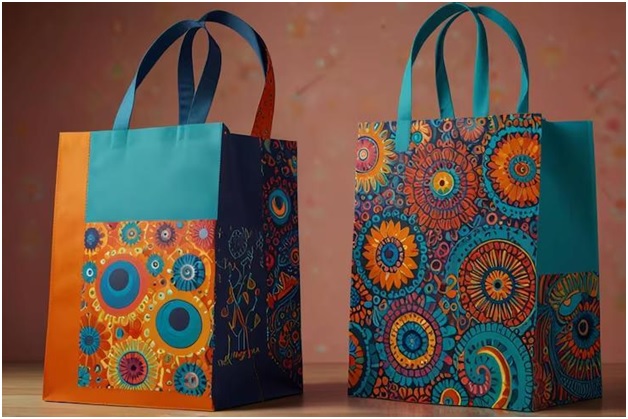
Packaging often speaks before a brand does. Strong, stylish, and surprisingly versatile, printed patch handle paper bags sit at the intersection of presentation and practicality. From retail counters to takeaway services, these bags quietly shape customer experience while supporting modern expectations around sustainability and design.
In a crowded retail environment, packaging is no longer just a container. It is part of the product story. From first impressions at the counter to how customers carry purchases through busy streets, the right bag matters. Printed patch handle paper bags have emerged as a popular choice for businesses seeking durability, visual appeal, and responsible material use without unnecessary complexity.
These bags combine reinforced handles with custom printing, making them suitable for everyday retail, food service, events, and promotional use. Their appeal lies not in novelty, but in balance—strong enough for regular use, flexible enough for branding, and familiar enough to feel natural in the customer’s hands.
Why Patch Handle Paper Bags Continue to Gain Popularity
Retailers and service providers increasingly look for packaging that performs well while aligning with customer expectations. Patch handle paper bags meet these needs through a thoughtful combination of structure and simplicity.
A Practical Response to Daily Handling
Unlike twisted-handle or flat-handle alternatives, patch handle bags use a reinforced paper patch around the handle area. This extra layer spreads weight more evenly, reducing tearing when carrying heavier or awkwardly shaped items. For shops handling clothing, boxed goods, or takeaway containers, this feature adds reliability without adding bulk.
The result is a bag that feels secure when lifted, even after repeated use. Customers notice this stability, even if they cannot name the technical reason behind it.
Familiar Design, Elevated Execution
Patch handle bags look clean and uncluttered. Their flat surfaces create an ideal canvas for printing, while the handle cut-out remains subtle and functional. This combination keeps the focus on branding rather than construction, which is often exactly what businesses want.
The Branding Value of Printed Packaging
Packaging is often the last branded touchpoint before a customer leaves. A well-designed bag can extend brand visibility far beyond the point of sale.
Visibility Without Aggression
Printed bags work best when branding feels intentional rather than overwhelming. Logos, colours, and short messages stand out clearly against paper surfaces, especially when the bag design leaves room to breathe. This understated visibility feels more refined than glossy or plastic alternatives.
When customers reuse the bag—whether for storage, gifting, or everyday errands—the brand travels with them in a natural, unobtrusive way.
Consistency Across Customer Touchpoints
Using the same bag style across locations or product lines supports brand recognition. Patch handle bags allow for consistent printing, making them easier to standardise compared to more complex packaging formats. Over time, this consistency builds familiarity and trust.
Materials and Sustainability Considerations
Environmental awareness now plays a central role in packaging decisions. Paper bags are often viewed more favourably than plastic, but material choice still matters.
Paper as a Responsible Option
Most patch handle bags are produced using kraft or recycled paper. Kraft paper is valued for its strength and natural appearance, while recycled paper supports circular material use. Both options appeal to customers who associate paper packaging with lower environmental impact.
According to industry studies, consumers are significantly more likely to reuse or recycle paper bags compared to plastic ones, increasing the overall lifecycle value of the packaging.
Lightweight but Purposeful Construction
The reinforcement around the handle allows the bag itself to remain relatively lightweight without compromising strength. This efficient use of material reduces waste while maintaining performance—an important consideration for businesses aiming to balance cost, durability, and sustainability goals.
How These Bags Fit Different Business Needs
One reason patch handle paper bags remain widely used is their adaptability across sectors.
1. Retail and Fashion
For clothing and accessories, the bags offer enough strength for folded garments while presenting a clean, premium feel. The flat surfaces allow branding to stand out clearly, even with minimal design elements.
2. Food and Takeaway Services
Paper bags are commonly preferred for food packaging due to breathability and ease of disposal. Patch handle designs help support heavier food containers, while printed branding reinforces recognition beyond the immediate transaction.
3. Events and Promotions
For exhibitions, pop-ups, and seasonal campaigns, these bags serve as mobile branding tools. Their practicality encourages reuse, extending exposure without additional marketing effort.
Mid-Article Spotlight: Balancing Cost and Impact
For many businesses, packaging decisions are guided as much by budget as by aesthetics. Printed patch handle paper bags often sit in a practical middle ground. They are generally more affordable than complex luxury packaging, yet more durable and brand-friendly than basic paper sacks.
Their straightforward manufacturing process helps keep costs predictable, even when ordering printed designs. This makes them particularly appealing for growing brands that want professional presentation without excessive overheads.
Design Choices That Make a Difference
While the bag format is consistent, design decisions can significantly influence how it is perceived.
Colour and Contrast
High-contrast designs improve readability from a distance. Neutral paper tones paired with dark ink create a classic look, while bold colours can signal energy or creativity. The key is clarity—designs should remain legible even when the bag is in motion.
Print Placement and Spacing
Leaving adequate margins around logos and text prevents the design from feeling crowded. Patch handle bags naturally encourage this balance, as the handle opening defines a visual centre without interrupting the printed area.
Minimal Messaging
Short brand names, symbols, or simple slogans tend to perform better than detailed messages. Customers rarely stop to read packaging, but they do absorb shapes, colours, and logos quickly.
Actionable Tips for Choosing the Right Paper Bags
When selecting patch handle paper bags for your business, consider the following practical points:
- Match bag size to typical purchases to avoid unnecessary material use or awkward carrying.
- Choose paper weight based on product load, not just appearance.
- Limit print colours to maintain clarity and control production costs.
- Test handle strength with real products before committing to bulk orders.
- Design for reuse, ensuring branding still looks good after multiple uses.
These small decisions can significantly improve customer experience and perceived quality.
Practical Advantages Beyond Branding
Beyond appearance, these bags support daily operations in subtle ways.
They stack easily for storage, take up minimal space at counters, and are quick to open and pack during busy periods. Their predictable structure helps staff work efficiently, reducing delays and handling issues during peak hours.
From an operational perspective, this reliability is often just as valuable as visual appeal.
Final Insights
Packaging rarely receives applause, yet it shapes countless customer interactions every day. When chosen thoughtfully, it supports branding, operations, and customer satisfaction all at once. Printed patch handle paper bags succeed because they respect this balance. They are not flashy, but they are dependable. They do not compete with the product, but they quietly enhance how it is presented and carried.
For businesses aiming to project professionalism without excess, these bags offer a clear path forward. Their strength reassures customers, their printed surfaces reinforce brand identity, and their paper construction aligns with growing expectations around responsible packaging.
Now is the right moment to review whether your current packaging truly supports your brand values and practical needs. A small upgrade in what customers carry away can leave a lasting impression long after the purchase is complete.