Repair it or replace it? Making the wrong choice could cost you more than money—it could mean higher energy bills, persistent drafts, water leaks, or repeated repairs. Learn how to identify specific problems like cracked glass, damaged seals, warped frames, or outdated, inefficient windows. We’ll guide you step by step so you can make the right decision, save money, and keep your home comfortable and secure.
Windows play a quiet but vital role in everyday living. They keep warmth inside, reduce outside noise, and protect your home from the elements. When something goes wrong, the decision to repair or replace is not always obvious. Some damage looks serious but is easy to fix. Other issues appear minor yet hide long-term failure. Early action matters. Small faults worsen over time. Moisture spreads. Frames weaken. Energy bills rise. That is why many homeowners begin by searching for window repair near me to access trusted local support before problems escalate.
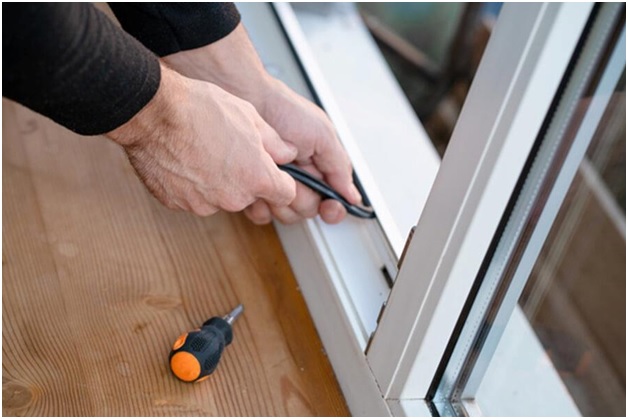
When a simple fix is often enough, replacement is rarely necessary. Not every damaged window needs changing. In fact, many common issues respond well to repair. Small cracks, worn seals, stiff hinges, or loose handles usually affect comfort rather than structure. In these situations, repair is often the sensible option. It costs less, causes minimal disruption, and restores full function quickly. Repair is also practical for homeowners planning to sell, as it improves appearance without major expense.
Typical problems that are usually repairable:
- Hairline cracks or surface chips
- Failed seals causing light condensation
- Loose or damaged handles
- Draughts from worn rubber seals
As long as the frame remains strong and aligned, repair can extend the window’s life by several years.
Clear Signs That Replacement Makes More Sense
Some issues go beyond surface damage. Deep cracks weaken the glass. Warped or rotting frames affect security. Repeated condensation trapped between panes often signals a sealed unit failure.
In these cases, repair may only delay the inevitable. Replacement becomes the safer and more cost-effective choice.
Replacement is usually recommended when:
- Glass has cracked through multiple layers
- Frames are rotting, twisted, or unstable
- Moisture is permanently trapped between panes
- Heat loss and noise remain high despite previous repairs
While replacement costs more upfront, it often reduces energy bills and removes the need for repeated fixes.
Looking Beyond the Initial Cost
Price is important, but it should never be the only factor. Repair is cheaper at first, yet repeated call-outs can add up quickly. Replacement costs more once but may last decades with minimal maintenance.
Think long term. A repaired window that fails again in two years may cost more overall than a single replacement. Modern glazing also improves insulation, which can lower heating bills year after year.
Before deciding, ask yourself:
- How old is the window?
- Has the same problem returned before?
- Will repair improve insulation and comfort?
- Is the frame still structurally sound?
Honest answers usually point to the right solution.
Energy Efficiency and Everyday Comfort
Windows strongly affect how comfortable a home feels. Cold draughts, uneven room temperatures, and outside noise often trace back to failing units. Repairs can seal gaps and restore performance, but they cannot always match modern standards. For this reason, many homeowners look for window repair near me when comfort issues first appear, aiming to resolve the problem before considering full replacement.
Newer windows offer improved insulation and noise reduction, which is especially valuable in older properties or busy areas. However, if repair restores good performance, replacement may not deliver enough extra benefit to justify the cost. The key is balance. Each home and each room may require a different approach.
Appearance, Property Value, and Future Plans
Windows shape how a home looks inside and out. Cracked glass or misted panes reduce kerb appeal. Repairs can refresh appearance quickly and discreetly. Replacement, however, allows design updates and uniform finishes across the property.
If you plan to stay long term, replacement may offer peace of mind. If you plan to sell soon, targeted repairs often provide better value.
Consider the wider picture:
- How long you expect to stay in the property
- The condition of other windows
- Planned renovations or upgrades
Smart decisions align with future goals, not just present problems.
Safety Should Always Come First
Damaged windows can be dangerous. Cracked glass may shatter suddenly. Weak frames compromise security. Repairs are suitable only when safety is not at risk.
If there is uncertainty, professional assessment matters. Experienced specialists can judge whether repair meets safety standards or if replacement is essential. Guesswork has no place when safety is involved.
Making a Confident, Well-Informed Decision
Choosing between repair and replacement is rarely about one issue alone. Condition, cost, safety, comfort, and future plans all matter. The best decision balances these factors carefully.
Professional advice adds clarity. Trained eyes spot problems early and prevent unnecessary work. Honest guidance protects both your home and your budget.
Concluding Remarks
Deciding whether to repair or replace a window should be based on evidence, not assumptions. Minor damage, solid frames, and isolated faults often suit repair. Widespread failure, safety concerns, or ongoing heat loss usually justify replacement.
Take time to assess the entire window, not just the visible issue. Think about long-term comfort, energy use, and how long you plan to stay in your home. Seeking expert input ensures the decision is practical and cost-effective. Whether you are searching for window repair near me or considering full replacement, informed choices deliver lasting value and peace of mind.