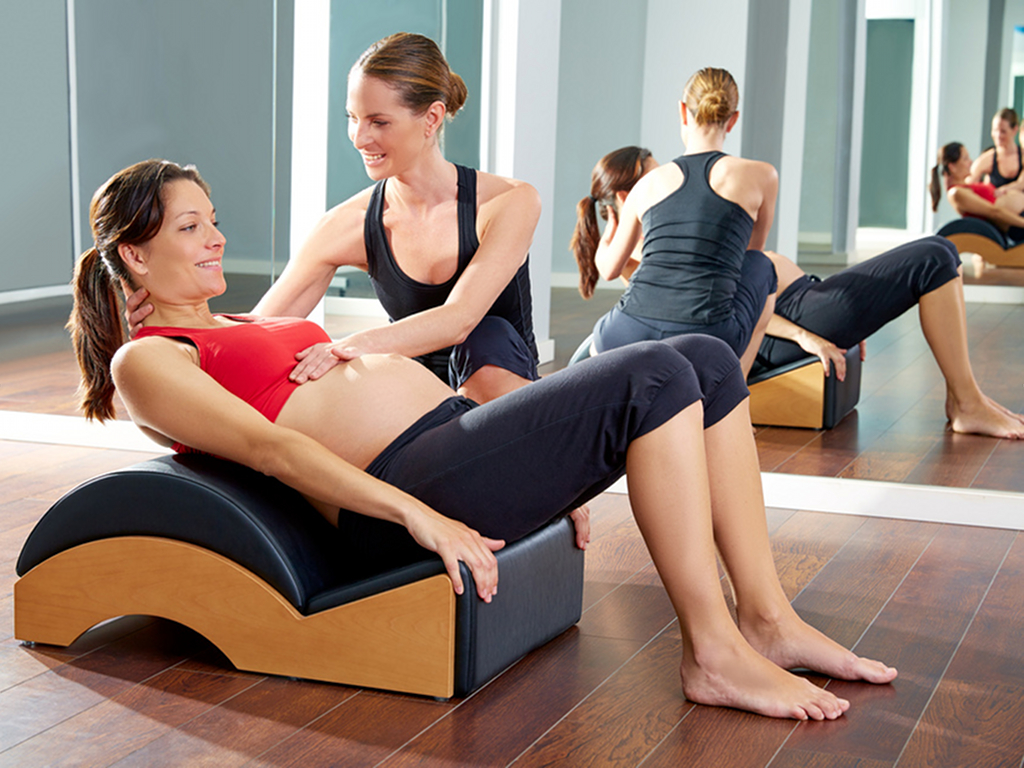
Pregnancy is a life-changing phase that brings physical, emotional, and hormonal shifts. As the body adapts to these changes, maintaining safe and structured physical activity becomes increasingly important. Today, many women seek professional guidance, often working with a postnatal workout trainer, to stay active during pregnancy and to recover confidently after childbirth. When approached correctly, pre- and post-natal workouts support strength, comfort, emotional balance, and long-term health for mothers.
Understanding Prenatal Fitness and Its Purpose
Prenatal fitness focuses on supporting the body rather than pushing physical limits. These workouts are designed to adapt to pregnancy-related changes and promote overall comfort.
The core objectives of prenatal workouts include:
- Supporting Posture as Weight Distribution Changes: Helps the body adjust to a shifting center of gravity, reducing strain on the lower back, hips, and joints as pregnancy progresses.
- Strengthening Muscles that Assist Balance and Stability: Builds strength in key muscle groups that help maintain balance, minimize the risk of falls, and support everyday movements.
- Reducing Physical Discomfort and Muscle Fatigue: Eases common pregnancy-related aches by improving muscle efficiency and preventing unnecessary tension.
- Encouraging Steady Circulation and Breathing Control: Promotes healthy blood flow and oxygen delivery, which supports overall comfort and reduces swelling.
Gentle movement helps the body adapt gradually, reducing stress on joints and muscles. Staying active can make daily movements easier while helping women feel more confident as pregnancy progresses.
Physical and Emotional Benefits of Prenatal Exercise
Prenatal workouts provide a wide range of benefits that go beyond physical strength. Consistent movement positively impacts emotional well-being and mental clarity.
Key benefits include:
- Improved Mood Through Natural Endorphin Release: Gentle physical activity stimulates feel-good hormones that help maintain a positive mindset.
- Reduced Stress and Emotional Tension: Regular movement provides a calming outlet that helps manage emotional fluctuations.
- Better Sleep Patterns and Relaxation: Physical activity supports deeper rest by easing muscle tightness and calming the nervous system.
- Greater Awareness of Posture and Movement: Encourages mindful body alignment, helping women move more comfortably and confidently.
Women who follow guided routines often feel more connected to their bodies. This awareness helps build emotional resilience, which is essential during pregnancy and childbirth.
Preparing the Body for Labor and Delivery
One of the most valuable outcomes of prenatal workouts is how they prepare the body for labor. Strengthening key muscle groups improves endurance and control during delivery.
Preparation focuses on:
- Pelvic Floor Engagement for Improved Muscle Support: Strengthens muscles that play a vital role during labor and recovery.
- Core Stability to Assist Posture and Breathing: Enhances body control, making it easier to maintain balance and effective breathing during contractions.
- Controlled Breathing Techniques to Manage Contractions: Helps regulate breathing patterns, improving comfort and focus during labor.
- Flexibility to reduce Muscle Strain: Keeps muscles and joints supple, reducing stiffness and tension during delivery.
These elements help women feel physically and mentally prepared for childbirth, allowing them to manage labor more confidently.
Safe Exercise Practices During Pregnancy
Safety remains a priority during prenatal workouts. Exercises should be modified based on comfort level and pregnancy stage.
Recommended practices include:
- Low-Impact Movements Such as Walking and Stretching: Keep the body active while minimizing pressure on joints and muscles.
- Light Resistance Training with Proper Supervision: Supports muscle tone without overloading the body or causing strain.
- Avoiding Excessive Strain on the Abdomen: Ensures exercises remain safe and comfortable throughout each trimester.
- Staying Hydrated and Resting When Needed: Supports recovery and prevents fatigue during physical activity.
Listening to the body ensures workouts remain beneficial and reduces the risk of injury or exhaustion.
The Role of Post-Natal Workouts in Recovery
After childbirth, the body needs time and care to heal. Post-natal workouts focus on gradual recovery while rebuilding strength.
Benefits of post-natal exercise include:
- Improved Circulation to Support Healing:
Encourages faster recovery by delivering nutrients and oxygen to healing tissues. - Reduced Stiffness and Muscle Tension:
Helps ease tightness caused by pregnancy and delivery. - Restored Flexibility and Mobility:
Allows the body to move more freely as strength gradually returns. - Increased Daily Energy Levels:
Supports stamina for managing new daily routines and responsibilities.
Gentle movement during recovery helps the body adjust safely while preventing long-term physical discomfort.
Rebuilding Core and Pelvic Floor Strength
Pregnancy and delivery significantly impact the core and pelvic floor muscles. Post-natal workouts focus on restoring strength in these areas through controlled movement.
Key areas of attention include:
- Pelvic Floor Exercises to Restore Internal Support: Rebuilds essential muscle strength for long-term stability and comfort.
- Core Engagement to Stabilize Posture: Helps realign the body and reduce lower back strain.
- Breathing Techniques to Reconnect Muscles: Encourages coordination between breath and movement during recovery.
- Gradual progression to strength-based workouts: Allows the body to regain strength safely without overexertion.
This structured rebuilding process helps prevent injuries and supports long-term physical stability.
Emotional Well-Being and Mental Health Support
Post-natal fitness also plays a role in emotional recovery. Hormonal changes and lifestyle adjustments can affect mood during early motherhood.
Emotional benefits include:
- Reduced Stress and Emotional Fatigue: Movement provides a healthy outlet for managing emotional changes.
- Improved Mood Through Consistent Activity: Helps maintain emotional balance during the recovery period.
- Enhanced Confidence and Self-Image: Encourages a positive connection with the body during physical changes.
- A Sense of Routine and Balance: Supports mental well-being by adding structure to daily life.
Exercise offers a positive outlet, helping mothers cope with new responsibilities more effectively.
Long-Term Health and Lifestyle Benefits
Pre- and post-natal workouts establish healthy habits that benefit women well beyond pregnancy. Staying active during this phase encourages lifelong wellness.
Long-term advantages include:
- Improved Cardiovascular Health: Supports heart health through regular, moderate activity.
- Stronger Muscles and Better Posture: Enhances overall body alignment and physical strength.
- Reduced risk of chronic pain: Helps prevent long-term discomfort through balanced movement.
- Increased physical independence: Makes daily activities easier and more comfortable over time.
These benefits support daily tasks such as lifting, carrying, and caring for children with greater ease.
Importance of Personalized Fitness Guidance
Every pregnancy and recovery journey is unique. Personalized fitness plans adapt workouts to individual needs and physical conditions.
Personalized guidance ensures:
- Safe Progression at Each Stage: Ensures workouts evolve appropriately with physical changes.
- Proper Alignment and Technique: Reduces the risk of injury and improves workout effectiveness.
- Adjustments Based on Comfort and Healing: Allows flexibility based on individual recovery needs.
- Sustainable Routines That Fit Daily Life: Encourages long-term consistency without added pressure.
Flexible training options allow women to stay consistent without pressure.
Conclusion
Pre- and post-natal workouts provide essential support throughout pregnancy and recovery. They strengthen the body, improve emotional balance, and enhance overall confidence. When guided carefully, these programs help women prepare for childbirth and heal safely afterward. Many mothers choose professional support, including working with a prenatal fitness trainer in Dubai, to ensure their fitness journey remains safe, effective, and aligned with their changing needs.
It’s worth acknowledging that modern fitness platforms like WeTrain reflect how structured guidance and flexibility can naturally support women through pregnancy and post-natal recovery. By combining expert planning with adaptable routines, such approaches complement maternal wellness while respecting individual lifestyles and personal goals.