
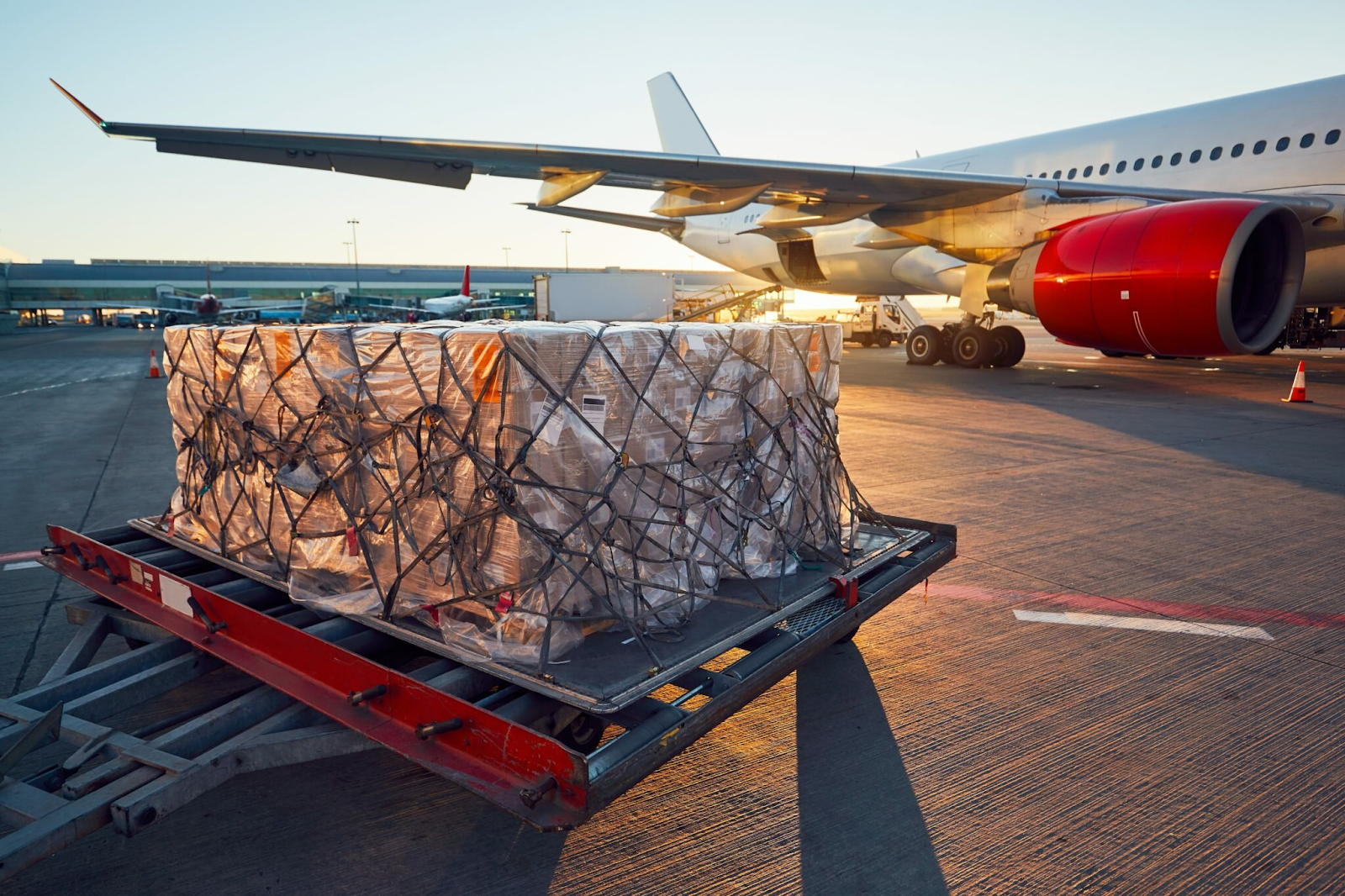
Global trade today operates on compressed timelines, where access to markets is no longer measured in weeks but in days or even hours. Businesses expanding beyond domestic boundaries depend on freight systems that can absorb complexity while maintaining speed. Infrastructure has become the silent driver that determines how quickly products move from origin to opportunity.
As supply chains stretch across continents, the effectiveness of global freight infrastructure directly shapes competitiveness. The integration of transport modes, regulatory frameworks, and operational coordination determines how seamlessly goods can reach end markets. Within this ecosystem, air shipment plays a critical role in the middle and end of modern distribution strategies, particularly for high-value and time-sensitive cargo.
The Strategic Importance of Global Freight Infrastructure
Global freight infrastructure is not a single asset but an interconnected system of airports, ports, warehouses, customs processes, and digital coordination platforms. Each component influences transit time, cost predictability, and risk exposure. When these elements operate in sync, they create trade corridors that shorten market entry cycles.
Well-developed infrastructure allows businesses to plan inventory with greater confidence and respond faster to demand fluctuations. It also supports regulatory compliance by embedding standardized procedures across borders. This systemic reliability is what enables companies to scale internationally without losing operational control.
Speed as a Competitive Advantage in Market Expansion
Speed is no longer a logistical preference but a strategic necessity. Faster access to markets allows businesses to capitalize on demand spikes, seasonal opportunities, and first-mover advantages. Freight infrastructure that prioritizes speed reduces holding costs and minimizes revenue delays.
Time efficiency also improves customer satisfaction and brand credibility. When goods arrive as promised, businesses strengthen trust with distributors and end consumers alike. Infrastructure designed for rapid transit, therefore, becomes a direct contributor to commercial success rather than a backend function.
Multimodal Connectivity and Transit Optimization
Multimodal connectivity links air, sea, and road transport into a unified movement strategy. This integration reduces handoff delays and allows shipments to transition smoothly between transport modes. Optimized routing ensures that goods follow the fastest viable path without unnecessary dwell time.
Such connectivity also enables contingency planning. If one route becomes congested, alternative paths can be activated without disrupting delivery timelines. This flexibility is essential for maintaining speed in volatile trade environments.
Customs Integration and Regulatory Alignment
Customs processes often determine the real speed of freight movement. Infrastructure that embeds compliance mechanisms into operational workflows reduces clearance delays. Pre-documentation, standardized data exchange, and inspection coordination all contribute to faster border crossings.
Regulatory alignment across trade corridors further enhances predictability. When procedures are harmonized, businesses can plan shipments with fewer uncertainties. This alignment transforms customs from a bottleneck into a facilitator of trade velocity.
Digital Systems Supporting Real-Time Visibility
Digital freight systems provide real-time tracking, documentation management, and exception alerts. Visibility allows stakeholders to anticipate delays and take corrective action before disruptions escalate. Information flow becomes as important as physical movement.
Technology-driven infrastructure also supports data-driven decision-making. Historical transit data helps optimize routes, forecast demand, and refine inventory strategies. These insights collectively shorten the time required to access new markets.
Infrastructure’s Role in Supporting Time-Sensitive Cargo
Certain industries operate under strict delivery windows, where delays translate directly into losses. Global freight infrastructure tailored for time-sensitive cargo ensures priority handling, secure storage, and rapid transfers. These capabilities are essential for industries dealing with perishables, pharmaceuticals, and high-value electronics.
Dedicated cargo terminals, temperature-controlled facilities, and expedited clearance channels all contribute to maintaining product integrity. Infrastructure investment in these areas directly expands the range of markets businesses can serve reliably.
Airport Cargo Hubs and Specialized Handling
Airport cargo hubs act as acceleration points within global trade networks. Their layout, equipment, and staffing determine how quickly cargo moves from aircraft to onward transport. Specialized handling zones reduce transfer times and minimize handling risks.
Efficient hub operations also support higher flight frequencies and route diversity. This connectivity allows businesses to reach secondary markets without extended transit times, widening their commercial reach.
Network Reliability and Schedule Precision
Infrastructure reliability ensures that schedules are met consistently. Predictable departure and arrival times allow businesses to synchronize production and distribution activities. This precision reduces buffer inventory and improves cash flow.
Reliable networks also enhance contractual confidence. Businesses can commit to delivery timelines knowing that infrastructure performance supports those commitments. This trust underpins long-term trade relationships.
Risk Mitigation Through Infrastructure Redundancy
Redundancy within freight infrastructure provides alternatives during disruptions. Multiple hubs, routes, and handling facilities reduce dependence on single points of failure. This resilience is critical in maintaining access during geopolitical or environmental disruptions.
By mitigating risk, infrastructure stability ensures continuity of market access even under adverse conditions. Businesses can maintain operations while competitors struggle with interruptions.
Global Freight Infrastructure and Cost Efficiency
Speed and cost are often viewed as opposing forces, yet advanced infrastructure aligns the two. Efficient systems reduce indirect costs such as delays, spoilage, and administrative overhead. Faster transit also lowers working capital tied up in inventory.
Cost efficiency gained through infrastructure optimization enables businesses to price competitively in new markets. Reduced logistics expenses can be reinvested into expansion, marketing, or product development.
Enabling Market Entry for Emerging and Mid-Sized Businesses
Historically, only large enterprises could leverage global freight networks effectively. Modern infrastructure has lowered entry barriers for mid-sized and emerging businesses. Access to standardized services and predictable timelines allows smaller players to compete internationally.
This democratization of market access fosters innovation and diversifies global trade. Infrastructure thus plays a role not only in efficiency but also in economic inclusion across regions.
Final Thoughts on Infrastructure-Driven Market Reach
Global freight infrastructure continues to redefine how quickly and reliably businesses can reach international markets. Its influence extends beyond transport, shaping strategic planning, risk management, and commercial agility. As trade volumes grow and expectations tighten, infrastructure quality will increasingly determine market leadership.
Within this evolving landscape, service providers such as AVR Logistics operate across integrated freight and cargo solutions that align with modern infrastructure demands. As a Logistics company in India, the organization reflects how coordinated freight services support faster market access when aligned with global systems and operational precision.