
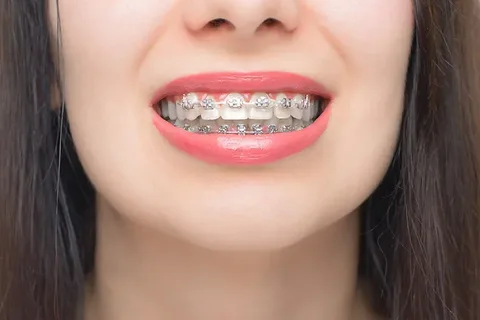
Orthodontic care today reflects a balance between clinical precision and patient comfort, with modern systems designed to simplify treatment while maintaining consistent outcomes. Among these advancements, self-ligating braces have gained attention for their efficient mechanics and reduced maintenance requirements. Their design supports gradual tooth movement with minimal resistance, making them a practical option for many individuals.
Patients considering self ligating braces orthodontics in Singapore often prioritize solutions that align with both lifestyle convenience and clinical effectiveness. This system replaces traditional elastics with a specialized locking mechanism, allowing for smoother adjustments and improved hygiene. As orthodontic awareness increases, understanding the structure and advantages of this approach becomes essential for informed decision-making.
What Are Self-Ligating Braces and How Do They Work
Self-ligating braces use brackets equipped with built-in clips that secure the archwire without the need for elastic ties. This mechanism allows the wire to slide more freely, reducing friction and enabling controlled tooth movement. The design supports consistent force distribution, which helps guide alignment in a more natural and measured manner.
Unlike conventional braces that rely on periodic tightening, this system works with lighter forces applied over time. The reduced resistance often contributes to a more comfortable experience during adjustments. As a result, patients benefit from a treatment process that feels less restrictive while still delivering reliable orthodontic correction.
Key Advantages Over Traditional Braces
One of the primary advantages of self-ligating braces is the efficiency of movement achieved through reduced friction. Teeth can shift more smoothly, which may contribute to a more streamlined treatment timeline depending on individual cases. Patients often notice a difference in how adjustments feel, as the system avoids the tight pressure associated with elastic ligatures.
Another important benefit is improved oral hygiene throughout the treatment period. Without elastics to trap food particles, cleaning becomes simpler and more effective. This helps lower the risk of plaque buildup and gum inflammation, supporting better overall oral health during orthodontic care.
Understanding the Role of Self-Ligating Systems in Modern Orthodontics
Within contemporary orthodontics, self-ligating braces represent a refined approach that prioritizes both function and patient experience. These systems are often selected for their ability to handle a wide range of alignment concerns while maintaining consistent control over tooth movement. Their design allows orthodontists to plan treatments with greater flexibility and precision.
Clinics that specialize in orthodontics frequently integrate self-ligating systems alongside other treatment options such as clear aligners and conventional braces. This allows for a more tailored approach, ensuring that each patient receives a solution suited to their specific dental structure.
Who Can Benefit from This Orthodontic Approach
Self-ligating braces are suitable for individuals experiencing crowding, spacing, or bite-related concerns. They are commonly recommended for both adolescents and adults who prefer a system that requires less frequent adjustments. The versatility of this method allows it to address both mild and more complex alignment cases effectively.
Orthodontists evaluate each patient’s dental condition before recommending this approach. Factors such as jaw positioning, tooth structure, and long-term treatment goals are considered during the assessment.
Treatment Process and What to Expect
The treatment journey begins with a comprehensive consultation, where diagnostic tools such as digital scans and imaging are used to assess alignment issues. This stage allows the orthodontist to create a structured plan tailored to the patient’s dental profile. Clear communication during this phase helps set realistic expectations for the treatment timeline.
Once the braces are placed, periodic visits are scheduled to monitor progress and make necessary adjustments. These appointments are typically more streamlined compared to traditional systems, as the self-ligating mechanism reduces the need for extensive modifications.
Initial Consultation and Assessment
At the outset, a detailed evaluation is conducted to understand the patient’s orthodontic needs. Digital imaging and diagnostic records provide a clear view of tooth positioning and bite alignment. This information forms the foundation of a customized treatment plan designed for predictable outcomes.
Placement of Braces
The bonding process involves attaching brackets to the teeth and securing the archwire within the self-ligating system. The procedure is efficient and designed to minimize discomfort. Once in place, the braces begin applying controlled pressure to guide gradual alignment.
Adjustment Appointments
Follow-up visits focus on tracking progress and refining the treatment as needed. Since the system allows for smoother wire movement, these appointments are generally quicker and less intensive. Patients often experience a more comfortable adjustment process compared to traditional braces.
Oral Hygiene Practices
Maintaining proper hygiene remains essential throughout the treatment period. Patients are advised to brush thoroughly, use specialized cleaning tools, and follow recommended oral care routines. The absence of elastic ties simplifies cleaning and supports healthier gums during treatment.
Dietary Considerations
Certain foods should be limited to protect the brackets and ensure uninterrupted progress. Hard and sticky items can interfere with the system and may lead to repairs. Adhering to dietary guidance helps maintain the integrity of the braces and supports consistent results.
Retention Phase After Treatment
After alignment is achieved, retainers are introduced to maintain the new positioning of teeth. This phase is critical in preventing relapse and preserving the results of orthodontic care. Consistent use of retainers ensures long-term stability and satisfaction.
Comparing Self-Ligating Braces with Other Orthodontic Options
Self-ligating braces offer a balanced alternative when compared to clear aligners and conventional systems. While aligners provide removability, they depend heavily on patient discipline for effectiveness. Braces, on the other hand, function continuously, making them reliable for cases that require precise control.
Final Thoughts
A well-planned orthodontic journey can significantly influence both appearance and long-term dental health, and BRACESAURUS reflects a focused approach to achieving these outcomes. As a clinic dedicated exclusively to braces and aligners, it combines specialized expertise with advanced treatment systems to deliver consistent and patient-centered care. Its emphasis on detailed consultations and tailored plans ensures that each case is managed with precision.
For individuals seeking the best dental self ligating braces clinic, BRACESAURUS offers a comprehensive orthodontic ecosystem that includes self-ligating braces, conventional systems, and clear aligners. With a commitment to transparency, comfort, and clinical accuracy, the clinic provides a reliable pathway toward achieving a confident and well-aligned smile.