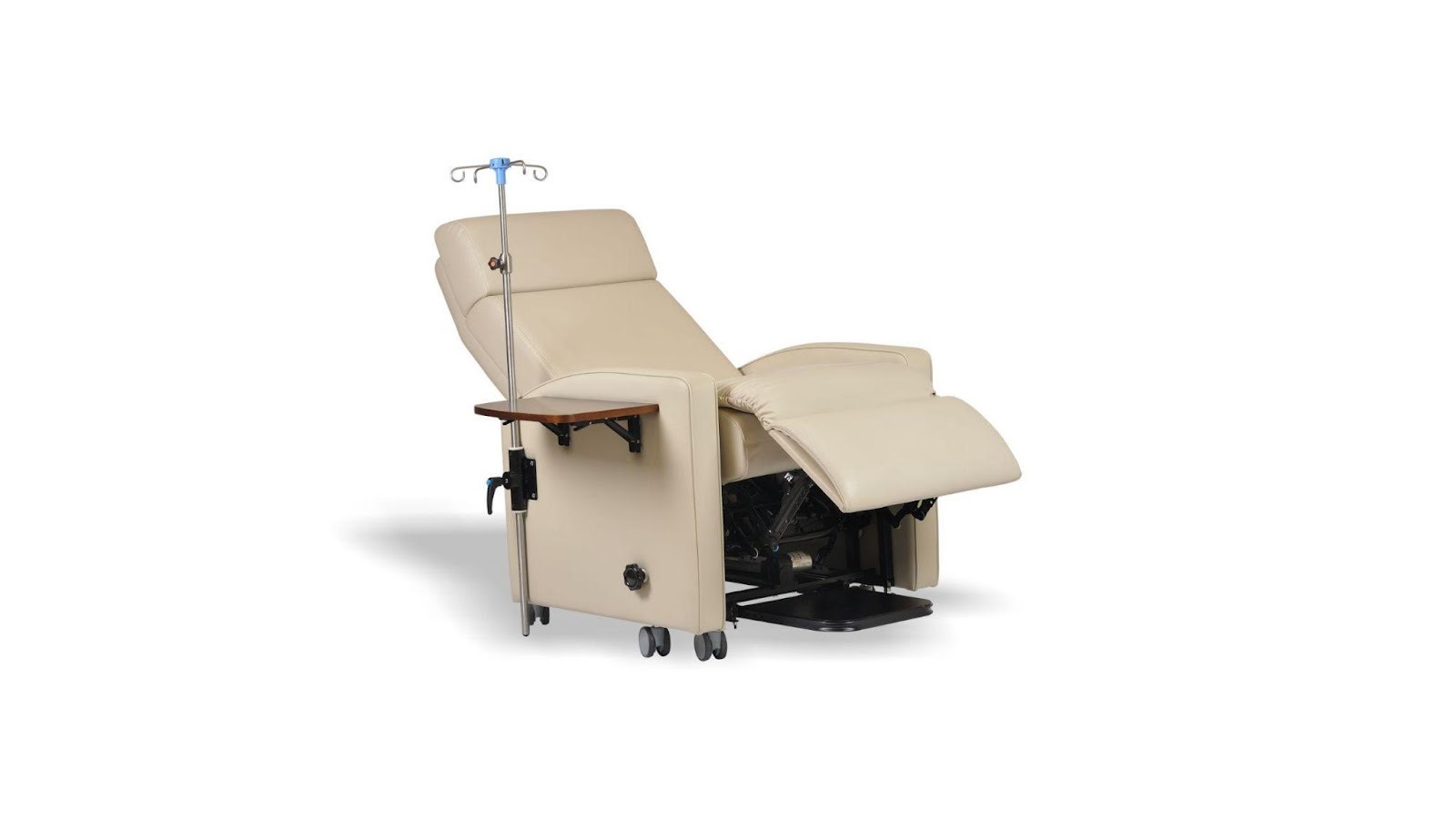
Healthcare centers that manage long treatments face the challenge of keeping patients comfortable and safe for extended periods. Seating plays a critical role in patient experience, as discomfort can increase stress, anxiety, and even procedural complications. In oncology and infusion centers, the use of specialized furniture is essential. A well-designed Oncology Recliner Chair ensures patients remain relaxed and properly supported throughout their sessions, which can last several hours. These chairs are engineered not just for comfort but also for safety, accessibility, and ease of use for both patients and medical staff.
1 Prioritizing Patient Comfort
Comfort during long procedures is a key factor in patient satisfaction. Advanced recliners are designed to relieve pressure points and allow patients to maintain relaxed positions even over extended periods.
- Padded Seating and Back Support
Chairs use high-density foam and ergonomically contoured designs that distribute body weight evenly across the seat. This minimizes pressure on sensitive areas like the lower back and thighs, ensuring patients do not experience discomfort or numbness. Over long treatment sessions, such as chemotherapy or dialysis, consistent support reduces muscle fatigue and helps patients remain calm and relaxed, which also supports procedural accuracy. - Adjustable Recline and Leg Support
Patients can adjust the chair’s recline angle and leg support to find the most comfortable position. Being able to elevate the legs reduces swelling, promotes better blood circulation, and relieves strain on the lower body. By offering multiple recline settings, the chairs accommodate diverse body types and treatment requirements, ensuring that patients can remain in position for hours without discomfort or the need for constant repositioning. - Head and Arm Positioning
Recliners feature fully adjustable headrests and armrests to provide complete upper body support. Proper alignment of the head and arms reduces tension in the neck and shoulders, which is crucial during long treatments where patients must remain still. Customizable arm positioning also makes it easier to manage IV lines or other treatment apparatus, enhancing both comfort and procedural efficiency.
2 Optimized Workspaces for Clinical Precision
Ergonomically designed chairs not only enhance patient comfort but also support medical staff in delivering safe, precise care.
- Height Adjustability
Recliners can be raised or lowered to match the practitioner’s preferred working height, reducing the risk of back, shoulder, and neck strain. Correct height alignment allows staff to focus on precision tasks, whether inserting IV lines or performing detailed examinations, improving overall treatment quality and minimizing errors. - 360-Degree Rotation and Swivel
Some recliners offer rotation, enabling staff to access patients from multiple angles without repositioning them. This reduces unnecessary movement for patients, prevents strain for practitioners, and ensures that procedures such as infusions or dermatology treatments can be carried out efficiently and safely. - Smooth Reclining Mechanisms
Modern chairs feature gentle, controlled reclining systems that adjust smoothly without abrupt movements. This prevents patients from being startled or shifting unexpectedly, which could affect delicate procedures. Smooth motion also reduces the effort required by staff to reposition patients, supporting both comfort and workflow efficiency.
3 Hygiene and Maintenance Standards
Maintaining a clean environment is essential for patient safety and infection control, and advanced seating solutions address this need effectively.
- Medical-Grade Upholstery
Chairs are covered in anti-microbial, non-porous materials that resist bacteria, spills, and stains. This ensures a hygienic surface that is easy to sanitize between patients. Maintaining clean, medical-grade upholstery is particularly important in oncology centers and infusion clinics, where patients often have compromised immunity and require maximum infection control. - Seamless Designs with Minimal Crevices
Minimal seams and smooth contours reduce areas where germs and debris can accumulate. By eliminating small gaps, these chairs simplify cleaning routines and help clinics uphold the highest hygiene standards, protecting both patients and staff. Seamless designs also improve visual appeal, conveying a professional and well-maintained environment. - Removable Cushions and Covers
Detachable cushions and covers allow for deep cleaning or replacement without replacing the entire chair. This modular approach ensures that clinics can maintain a high level of hygiene over time, making the chairs a long-term, safe investment. It also enables quick turnaround between patients, supporting efficient clinical operations.
4 Supporting Long Treatment Sessions
Extended procedures require chairs that maintain comfort without compromising patient well-being or safety.
- Extended Seat Dimensions
Larger seating surfaces provide ample room for patients to move slightly without feeling confined. Comfortable dimensions reduce pressure points and allow patients to shift naturally during treatments, promoting relaxation. This design consideration ensures patients of different body types can be accommodated safely for extended periods. - Leg Elevation Capabilities
Chairs allow patients to elevate their legs to relieve strain and improve circulation. This feature is particularly important during long sessions, as it minimizes swelling, fatigue, and discomfort, supporting overall patient health and comfort. - Continuous Lumbar Support
Recliners maintain the natural curvature of the spine throughout the session. Consistent lumbar support reduces lower back strain and prevents discomfort or postural issues, making extended treatments less taxing for patients and enabling them to remain still for optimal procedural efficiency.
5 Medicare Recliners for Broad Healthcare Applications
Clinics can expand seating solutions beyond oncology using medicare recliners.
- Post-Surgery Recovery
Adjustable recliners provide comfort and support during post-operative recovery, helping patients rest safely and comfortably while minimizing physical strain. - Long-Term Care Facilities
Chairs support elderly or mobility-limited patients, reducing the risk of bedsores and improving overall comfort. Reliable positioning enhances safety and well-being. - Routine Outpatient Care
Recliners provide versatile seating for exams, minor procedures, and checkups, reducing the need for multiple types of chairs. This maximizes clinic space efficiency while maintaining patient comfort.
Conclusion
Innovative recliners play a crucial role in enhancing patient comfort during long treatments, improving both safety and procedural efficiency. Features like ergonomic design, electronic adjustments, hygienic materials, and adaptive positioning ensure patients remain relaxed and properly supported. Using chairs like Oncology Recliner Chairs and medicare recliners allows clinics to provide superior patient care, streamline workflow, and maintain high hygiene standards.
For healthcare facilities looking to invest in professional-grade seating solutions, Esthetica Medical Furniture offers durable, ergonomically designed recliners that combine patient comfort, clinical efficiency, and long-term reliability. Their range of advanced chairs supports diverse medical applications while creating a safe and comfortable environment for patients and staff alike.