
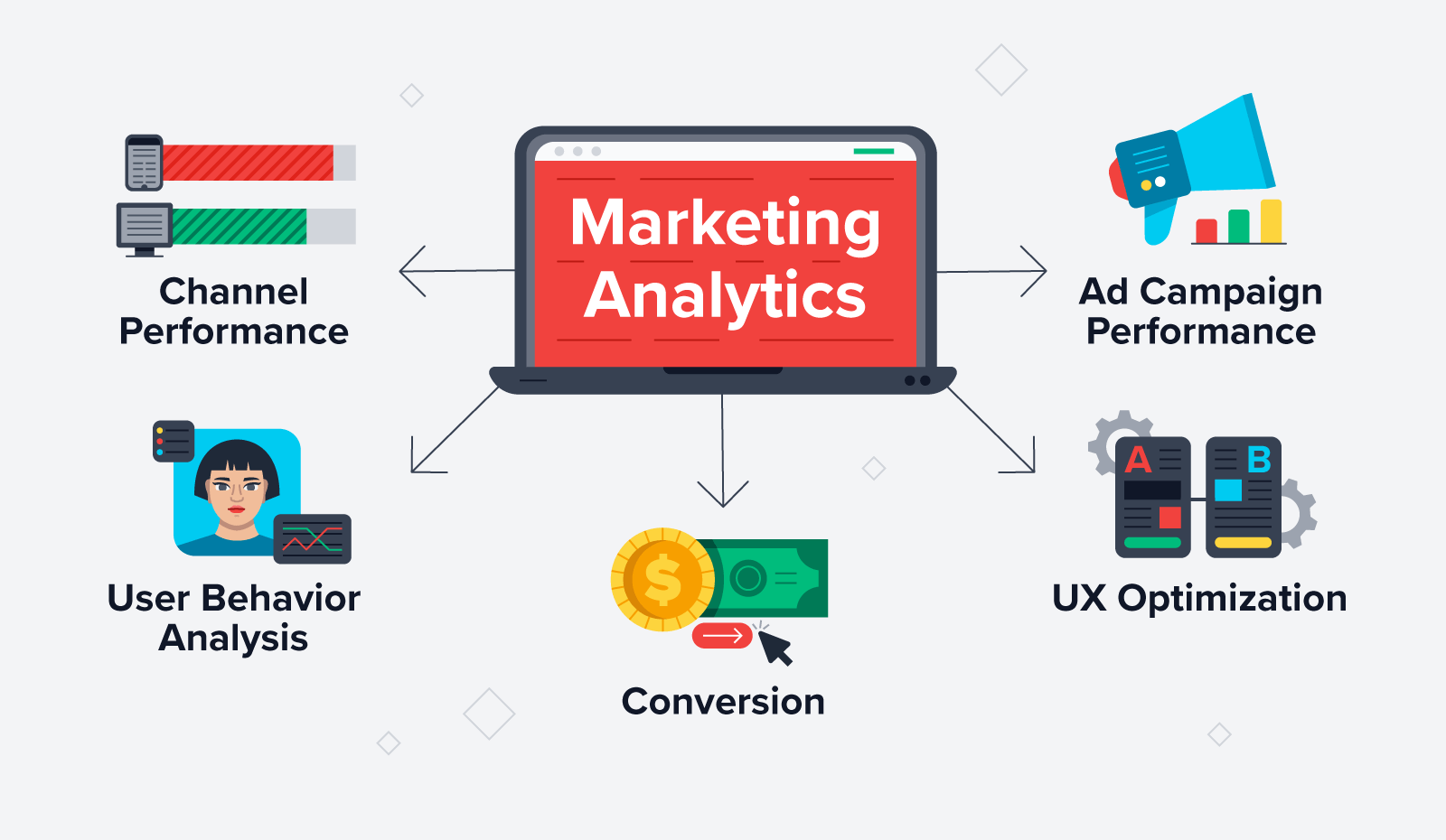
Brand trust and performance cycles are evolving as digital conversations move from broad reach to measurable impact. US influencer marketing spend reached an estimated $10.5 billion in 2025. Projections show it growing to $12.7 billion in 2026 and $13.7 billion by 2027. Growth is increasingly data-driven, where audiences are analyzed for demographics, interests, and intent, while engagement-to-conversion signals inform creator selection and content optimization. Influencer marketing analytics and influencer data analytics USA enable brands to forecast ROI with greater confidence, benchmark performance, and mitigate risk. This analytics-driven approach underpins smarter collaborations and sustainable growth across campaigns.
Role of Influencer in Marketing
The role of influencers in marketing has shifted from one-off promotional posts to becoming long-term, strategic partners focusing on authenticity, community building, and measurable, data-driven ROI. Influencers now act as brand consultants, driving both brand awareness and direct conversions through short-form video and, increasingly, in-person, “real-life” (IRL) experiences.
Key aspects of the influencer role in 2026 include:
- From Reach to Credibility: The focus has moved away from vanity metrics (large follower counts) toward creators with high engagement and niche authority.
- Strategic Partnerships: Brands are favoring long-term, deep-rooted collaborations over quick, transactional “pay-to-post” deals.
- Performance-Driven ROI: Influencer marketing is now a core, ROI-focused channel, with 58% of consumers having purchased products based on influencer recommendations.
- Integration with AI and Data: Influencers and marketers are utilizing AI for audience analysis, content planning, and tracking.
- In-Person (IRL) Activations: Influencers are increasingly involved in offline, experiential events, such as pop-ups and branded, immersive gatherings, to foster deeper connections.
Data Analytics in Marketing Growth
The explosive growth of social media platforms has transformed the way businesses understand and engage with consumers. Every interaction, likes, shares, comments, and reviews, generates massive volumes of unstructured data. This data, when properly analyzed, becomes a powerful asset for driving marketing growth. However, traditional analytical approaches often fall short due to the complexity and scale of social media data, making advanced data analytics essential.
Social Media Data Analytics (SMDA) enables marketers to extract valuable insights by applying techniques such as sentiment analysis, content analysis, social network analysis, and trend analysis. These methods help organizations understand customer opinions, identify emerging market trends, and evaluate brand perception in real time. By leveraging tools like machine learning, text mining, and data visualization, marketers can move beyond intuition-based decisions.
Ultimately, data analytics supports smarter marketing strategies by enabling personalization, improving customer targeting, and enhancing competitive intelligence. When used effectively, SMDA helps organizations adapt quickly to changing consumer behaviors and achieve sustainable marketing growth in a data-driven digital landscape.
Why Data Analytics Matters in Influencer Marketing
A data-driven approach to influencer marketing maximizes ROI, boosts conversion rates by up to 50%, and improves engagement through AI-powered creator matching. By leveraging real-time analytics to identify authentic creators and audience insights, brands reduce wasteful spending, optimize campaigns on the fly, and build long-term, high-trust partnerships.
Key Benefits of Data-Driven Influencer Marketing Analytics in 2026:
- Precise Influencer Matching & ROI: AI-driven tools analyze millions of data points, including audience demographics and engagement, to match brands with ideal creators, reducing partnership failures by 73% and enhancing ROI.
- Enhanced Performance Metrics: Data-driven campaigns improve customer engagement by up to 20% and significantly increase conversion rates by targeting niche audiences with relevant, tailored content.
- Real-Time Campaign Optimization: Rather than waiting for a campaign to conclude, data enables marketers to adjust strategies, swap content, or shift budgets in real time for maximum impact.
- Improved Budget Efficiency: Influencer Marketing Analytics help brands identify top-performing platforms and creators, allowing for smarter, more efficient budget allocation and reduced wasted expenditure.
- Authentic, Long-Term Partnerships: Data helps identify influencers with genuine, highly engaged followers, enabling brands to move from one-off posts to long-term partnerships that foster deeper audience loyalty.
- Data-Backed Decision Making: By relying on concrete analytics rather than assumptions, brands can confidently select creators, predict campaign success, and justify marketing spend.
What are the Key Data Metrics for Successful Influencer Marketing?
In 2026, successful influencer marketing in the USA shifts from vanity metrics to performance-driven, tangible business outcomes, supported by advanced influencer data analytics USA practices. Key data metrics focus on ROI, conversion tracking (sales, sign-ups), and engagement quality over follower count, utilizing tools like UTM tags for precise tracking. Brands now prioritize long-term partner ROI, CPA, and engagement rate to ensure measurable impact and sustainable growth.
Core Performance Metrics
- Return on Investment (ROI): The definitive metric for measuring profitability.
- Conversion Rate & Sales: Percentage of traffic from influencers that results in purchases or sign-ups.
- Cost Per Acquisition (CPA): The total cost to gain a new customer, critical for evaluating efficiency.
- Customer Lifetime Value (CLV): Indicates the long-term value of customers acquired through influencers.
- Average Order Value (AOV): Measures the average amount spent by customers referred by influencers.
Engagement & Awareness Metrics
- Engagement Rate: Measures likes, comments, shares, and saves relative to audience size to gauge content resonance.
- Cost Per Engagement (CPE): Evaluates the efficiency of the engagement.
- Brand Sentiment & Mentions: Tracks positive/negative brand perception.
- Reach & Impressions: Total visibility, with a focus on audience quality over volume.
Techniques for 2026 Success
- UTM Tracking & Referral Links: Essential for precise, data-driven attribution of sales.
- Micro-Influencer Metrics: Focusing on higher, niche engagement rates over raw reach.
- Long-Term ROI Tracking: Measuring the cumulative impact of ongoing partnerships rather than one-off posts.
Conclusion
As influencer marketing in the USA becomes increasingly performance-driven, data analytics is no longer optional, it is the foundation of scalable growth. Influencer data analytics USA empower brands to measure real impact, optimize partnerships, and predict ROI with precision. Platforms like On Social play a critical role by enabling brands to centralize data, identify high-performing creators, and drive smarter, long-term influencer strategies built on measurable outcomes rather than assumptions.