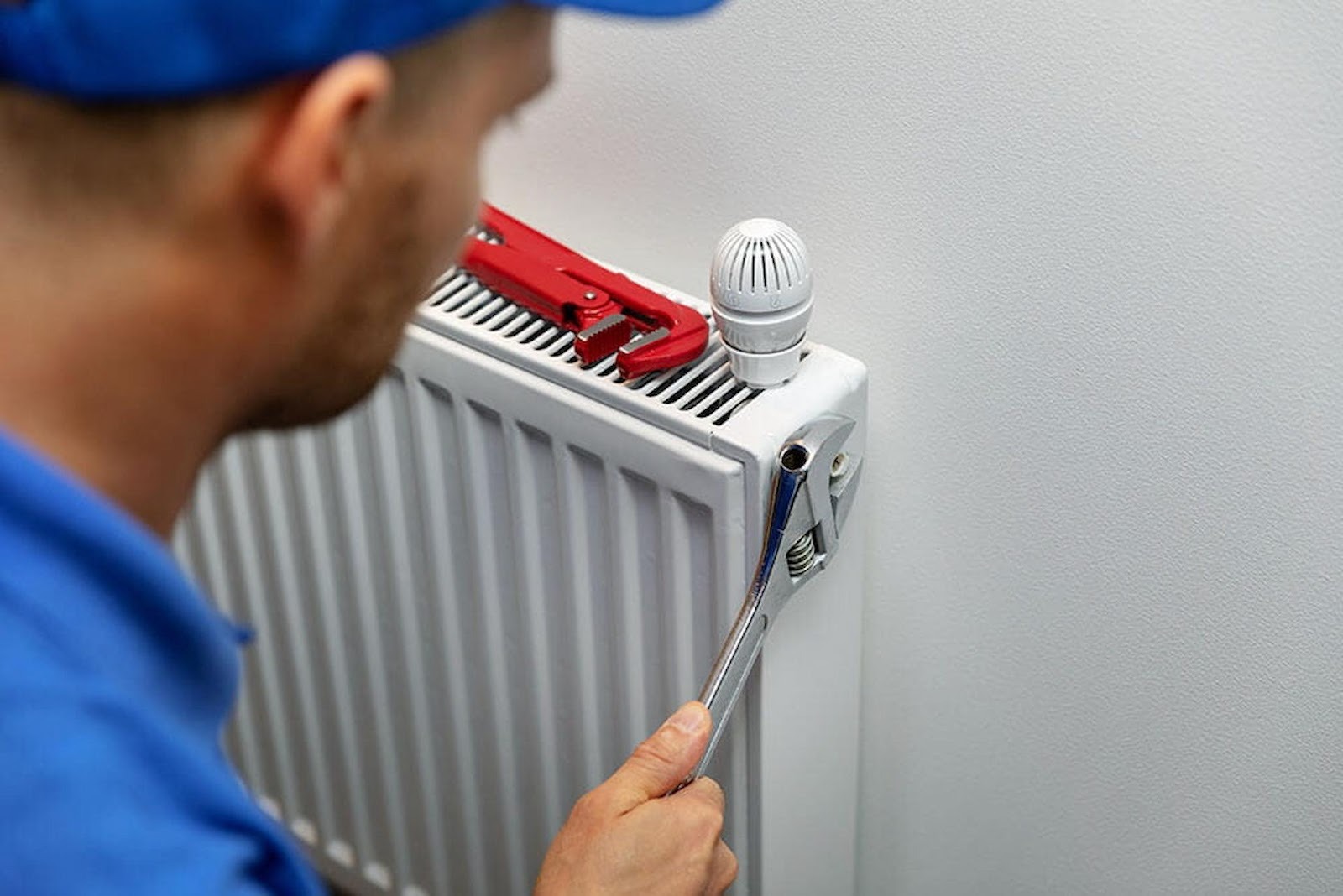
Routine radiator maintenance is key to boosting heating efficiency and cutting down on energy costs. Tasks like bleeding radiators, cleaning valves, and ensuring proper water flow can make a noticeable difference in how well your system performs. These simple actions help prevent breakdowns, improve heat distribution, and ensure your radiators last longer, all without needing advanced tools or technical skills.
Radiators are central to home heating performance, yet they are often overlooked once installed. Over time, small issues such as trapped air, dust buildup, or uneven water flow can quietly reduce efficiency and increase energy costs. Regular maintenance helps prevent these problems before they affect comfort or system reliability. Heating manufacturers like Stelrad consistently highlight that proactive care supports stable heat output and reduces long-term wear. By understanding and applying routine radiator maintenance tasks, homeowners can improve efficiency, protect their heating investment, and ensure dependable performance across every heating season.
The Importance of Regular Radiator Maintenance
Radiator maintenance is not just about keeping units clean or warm to the touch. It directly affects how efficiently heat moves through the entire heating system. Poorly maintained radiators force boilers to work harder, increasing energy use and accelerating component wear. Routine checks allow issues to be addressed early, before they escalate into performance problems or costly repairs.
Key benefits include:
- Improved heat consistency throughout the home
- Lower energy consumption and heating costs
- Reduced stress on boilers and pipework
- Longer system lifespan with fewer interruptions
How Trapped Air Affects Radiator Performance
Air trapped inside radiators blocks hot water from circulating fully, leading to uneven heating and cold spots. This is one of the most common and easily resolved radiator issues. Bleeding radiators restores proper circulation and ensures heat reaches every section of the unit.
Maintenance actions include:
- Turning off the heating system and allowing radiators to cool
- Releasing trapped air using a radiator key
- Closing the valve once water flows steadily
This task supports consistent heat output and improves system responsiveness.
Monitoring Radiator Pressure and Water Flow
Correct pressure and water flow are essential for efficient radiator performance. When pressure drops too low or circulation is restricted, radiators struggle to heat evenly. Monitoring pressure helps ensure hot water reaches each radiator as intended.
Important checks involve:
- Reviewing boiler pressure levels regularly
- Maintaining pressure within recommended limits
- Observing whether radiators heat evenly across rooms
Stable pressure protects internal components and supports balanced heat distribution.
Keeping Radiators Clean Inside and Out
Dust and debris reduce a radiator’s ability to release heat into a room. Over time, internal buildup can also restrict water movement. Cleaning radiators improves heat transfer and prevents gradual performance decline.
Routine cleaning steps include:
- Vacuuming between radiator panels and fins
- Wiping external surfaces with a damp cloth
- Addressing internal buildup if heat output weakens
Clean radiators respond faster and operate more efficiently.
Inspecting Valves and Temperature Controls
Radiator valves regulate how much heat enters each room. When valves stick, loosen, or wear out, temperature control becomes unreliable. Regular inspection ensures accurate heat regulation and prevents energy waste.
Valve maintenance involves:
- Adjusting valves periodically to prevent seizing
- Checking for leaks around fittings
- Replacing worn or unresponsive controls
Properly functioning valves improve comfort and efficiency.
Ensuring Radiators Are Properly Balanced
Balancing radiators ensures each unit receives the correct share of hot water. Without balancing, some radiators heat too quickly while others lag behind. This imbalance affects comfort and system efficiency.
Balancing supports:
- Even heating across all rooms
- Reduced boiler workload
- Predictable and stable heating cycles
Periodic review helps maintain consistent system performance.
Identifying Early Signs of Radiator Deterioration
Radiators naturally age, but early signs of corrosion should never be ignored. Minor surface issues can develop into leaks if left unaddressed. Routine inspections help identify wear before it becomes disruptive.
Inspection focuses include:
- Visible rust or discolouration
- Moisture near joints or connections
- Unusual marks on radiator surfaces
Early intervention extends radiator lifespan and reduces failure risk.
Aligning Radiator Maintenance with Seasonal Use
Radiators respond differently throughout the year as heating demand changes. Aligning maintenance with seasonal use helps ensure the system is ready when colder weather arrives and remains protected during periods of low use. Bleeding radiators before winter removes trapped air and supports even heat distribution, while cleaning units during warmer months improves heat release and prevents dust buildup. Checking valve movement annually helps maintain smooth temperature control. Following a simple seasonal routine reduces the risk of unexpected issues and supports reliable performance during peak heating periods.
Following Manufacturer Maintenance Guidance
Manufacturers design radiators to operate efficiently under specific conditions. Following recommended maintenance guidance ensures performance remains consistent and warranties are protected. Guidance from Stelrad reinforces the importance of regular inspection, pressure stability, and proper valve function to support long-term efficiency and reliability.
Conclusion
Routine radiator maintenance is a practical investment in comfort, efficiency, and system longevity. By understanding how air buildup, pressure imbalance, dirt accumulation, and worn components affect performance, homeowners can take timely action. Tasks such as bleeding radiators, cleaning surfaces, checking valves, and monitoring pressure help maintain steady heat output and reduce energy waste. Manufacturers like Stelrad consistently emphasise that long-term radiator performance depends on regular, preventative care rather than reactive repairs. When maintenance becomes part of a structured routine, heating systems operate more smoothly, last longer, and deliver dependable warmth year after year. Ultimately, small, consistent efforts make a significant difference to both comfort and cost control over time.