Modern construction has evolved beyond basic functionality, transitioning into an era where durability, sustainability, visual appeal, and long-term performance must coexist. As architects, builders, and developers rethink material selection, one finish has emerged as a defining favourite in contemporary structures: black anodised aluminium. It offers a refined balance of strength and design flexibility, making it highly suitable for advanced architectural requirements. Its rising demand is not just a trend; it reflects a shift towards more resilient, future-ready material engineering. Beyond aesthetics, this material supports precision-based design, reduced maintenance, and greater stability across diverse environments.
Enhanced Resistance and Long-Term Surface Protection
- Oxidation Resistance for Harsh Environments
The anodising process creates a naturally bonded oxide layer, offering deeper protection compared to surface coatings.
This built-in defence helps prevent corrosion even in regions with high humidity, salt exposure, or industrial pollutants.
As a result, installations in coastal or challenging climates remain structurally secure and visually consistent over extended periods. - Superior Fade and Scratch Resistance
Unlike painted finishes that sit on the surface, the anodised layer integrates with the metal, making it highly durable.
It withstands daily wear, UV exposure, and environmental stress without peeling or noticeable colour degradation.
This ensures the finish maintains a premium appearance, making it a suitable choice for long-term architectural use. - Reduced Maintenance Requirements Over Time
With its long-lasting protective layer, the material requires minimal cleaning or refinishing throughout its lifecycle.
This characteristic supports cost-efficiency and operational convenience, especially for extensive or high-visibility structures.
Its ability to retain consistency and appearance with limited upkeep adds measurable value to modern construction planning.
Lightweight Material Advantage with Structural Strength
- Improved Strength-to-Weight Ratio
Aluminium naturally provides high structural performance without excessive weight, making it an efficient material for modern builds.
Its lightweight nature simplifies transportation, installation, and handling across large or technical construction sites.
This reduced mass lowers stress on supporting systems, making it ideal for high-rise structures and engineering-sensitive applications. - Ideal for High-Performance Building Systems
Aluminium is increasingly adopted in critical architectural systems such as façades, curtain walls, framing solutions, and shading elements.
When anodised, these components gain enhanced durability, weather resistance, and surface stability without affecting mechanical strength.
This combination ensures long-term reliability, making it suitable for demanding environments and large-scale infrastructure. - Supports Innovative and Complex Architectural Designs
The material’s flexibility allows precision forming, CNC profiling, and advanced fabrication suited for modern architectural requirements.
Designers can achieve detailed, unconventional, or seamless structures without compromising finish quality or performance.
Its adaptability makes it a preferred solution for projects requiring creative freedom alongside technical precision.
Sustainable Material Choice for Future-Focused Developments
- Recyclable and Environmentally Responsible
Aluminium can be recycled repeatedly without losing its structural or performance properties, making it a highly sustainable material choice.
This recyclability aligns well with global environmental goals and the increasing demand for low-impact construction materials.
As a result, its use supports eligibility for green certifications and contributes to responsible resource management. - Reduced Environmental Impact Compared to Chemical Coatings
The anodising process relies on an electrochemical reaction rather than solvent-based treatments, significantly reducing harmful emissions.
This cleaner finishing method results in a durable surface without releasing volatile organic compounds into the environment.
Its compliance with strict environmental regulations makes it suitable for eco-conscious architectural and industrial projects. - Long-Term Energy and Cost Efficiency
The durable surface requires minimal upkeep, reducing the need for restoration, repainting, or chemical maintenance throughout its use.
This leads to long-term operational savings, especially in commercial and large-scale construction environments.
Over time, the combination of low maintenance and extended lifespan offers measurable financial and environmental benefits.
Precision Aesthetics for Modern Architectural Styles
- Matte Finish for Sleek Visual Identity
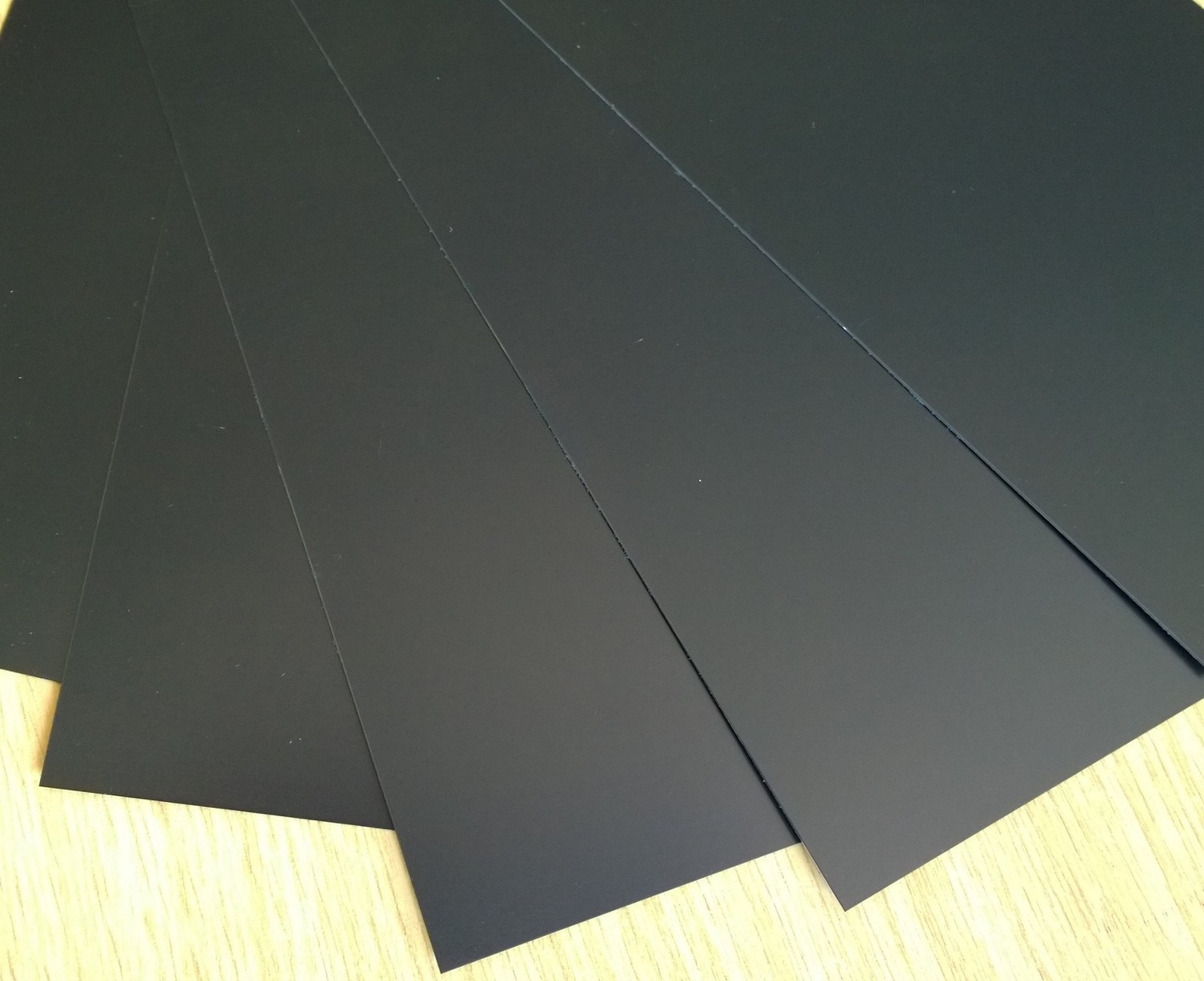
The deep matte tone creates a refined and contemporary appearance that blends seamlessly into modern architectural environments.
Its compatibility with materials like glass, steel, and natural stone allows designers to achieve coordinated, visually striking structures.
This finish supports luxury, minimalist, and industrial aesthetics, making it ideal for projects prioritising timeless and sophisticated design. - Consistency in Colour and Texture Across Applications
Unlike pigment-based finishes, anodising delivers a stable and uniform appearance that remains consistent across large-scale installations.
This uniformity ensures that cladding, framing, railings, and façade systems align seamlessly without visible variation.
It helps maintain visual harmony throughout a project, especially in developments where precision and design uniformity are essential. - Versatility for Residential and Commercial Use
Its design adaptability makes it suitable for high-end residential spaces, large commercial developments, and civil infrastructure.
The finish elevates the visual character of a structure without overpowering surrounding architectural elements.
This balance of subtlety and sophistication makes it a reliable choice for projects requiring both performance and aesthetic refinement.
Reliable Performance Across Diverse Applications
- Suitable for Interior and Exterior Installations
Its durability allows seamless use across both functional and decorative elements, supporting flexibility in architectural planning.
From façades and framing to furniture and balustrades, the finish performs consistently regardless of placement or scale.
This adaptability makes it a reliable material for projects requiring design continuity across multiple installation zones. - Stable Under Temperature and Climate Variations
The surface remains resilient even when exposed to extreme temperatures, heavy rainfall, or prolonged UV exposure.
It does not warp, peel, or discolour, ensuring predictable long-term behaviour in fluctuating weather conditions.
This stability provides confidence for designers and builders working across diverse environments or climate-sensitive regions. - Black anodised aluminium supports Premium Project Positioning:
Its use in luxury or high-spec developments conveys performance-driven engineering and elevated material standards.
The finish enhances a project’s perceived value through its refined appearance and proven technical reliability.
As construction trends move toward premium material selection, this finish aligns with expectations for quality and long-term investment.
Conclusion
As architectural expectations evolve, material reliability and aesthetics have become central to decision-making. The growing preference for black anodised aluminium reflects a shift toward materials capable of supporting modern performance standards while maintaining visual elegance. Its blend of durability, design appeal, and sustainability has positioned it as a trusted solution for future-ready buildings across global markets. With its proven ability to perform in demanding applications while retaining a refined finish, it continues to influence how modern structures are designed, specified, and executed.
Professionals seeking premium-grade options for advanced construction applications can explore highly engineered aluminium solutions through JM Aluminium, ensuring projects receive materials built for lasting performance and modern architectural excellence. With the right technical support and product quality, project outcomes can be elevated with confidence and consistency.